As the demand for reliable, sustainable energy solutions grows, hydrogen fuel cells are proving to be a superior alternative to traditional diesel generators. With applications ranging from intelligent transportation systems (ITS) to critical infrastructure, understanding the variety of benefits and trade-offs is essential for selecting the right emergency power solution. This guide compares fuel cells and diesel generators across six essential criteria: reliability, safety, environmental impact, maintenance needs, lifecycle emissions, and ITS compatibility.
Reliable Consistent Power When It’s Needed Most
Fuel Cells: The Gold Standard for Backup Power
Hydrogen fuel cells excel in scenarios requiring uninterrupted power. Their ability to generate electricity on demand ensures reliability during emergencies, such as hurricanes or grid failures. In ITS applications, fuel cells provide a continuous energy supply, keeping traffic signals, communication networks, and other critical systems operational to ensure public safety. Fuel cells are frequently used in utility-owned traffic cabinets, transportation tunnels, and smart highway nodes due to their modular scalability and fast cold-start performance.
Diesel Generators: A Legacy Solution with Flaws
While diesel generators have long been the default for backup power, they present significant challenges. Noise pollution, supply chain dependencies for fuel, and high carbon emissions make them less practical in modern emergency scenarios. Compared to hydrogen fuel cells, diesel generators lack the efficiency and sustainability to meet current infrastructure demands. Their startup lag, vibration output, and fuel storage constraints make them a risky option for urban applications requiring immediate and safe power restoration.
Protecting People and Infrastructure
Fuel Cells: A Safer Alternative
Hydrogen fuel cells work by combining hydrogen and oxygen in an electrochemical process to generate electricity—no combustion involved. This means there’s no need to worry about flammable fuels or high temperatures, drastically reducing the risk of explosions or fire hazards. With no moving parts, fuel cells are incredibly reliable and less prone to timely mechanical failures. What’s more, they’re remarkably clean, producing only water vapor and heat as byproducts—no greenhouse gases, no particulates, just clean energy. This makes them a perfect fit for critical ITS infrastructure, like keeping intersections illuminated, variable message signs running, and communication networks online. Their consistent voltage and stable power output also ensure these sensitive systems run smoothly and efficiently, even during emergencies. This safety profile supports deployment in enclosed environments, high-pedestrian zones, or air quality-regulated areas like underground transit hubs and smart city corridors.
Diesel Generators: High-Risk Maintenance
Diesel generators come with a range of safety risks, mostly because they rely on combustible fuel and complex mechanical systems. Refueling or storing diesel can lead to spills, creating environmental concerns and potential fire hazards, especially in hot or enclosed spaces. When running, they produce toxic exhaust fumes filled with harmful pollutants like carbon monoxide, nitrogen oxides (NOx), and particulate matter—posing serious health risks in areas with poor ventilation. Their available mechanical parts, such as pistons and injectors, require regular maintenance to avoid wear and tear, which adds to the chances of breakdowns when you need them most. On top of that, diesel fuel can degrade over time if stored too long, further affecting performance and making them a less reliable choice for emergencies. Because of fuel degradation, many agencies must implement costly diesel testing and fuel rotation programs just to maintain standby readiness.
Sustainable Clean Energy for a Better Future
Fuel Cells: Leading the Way in Clean Energy
Hymax hydrogen fuel cells are inherently sustainable, utilizing hydrogen—a renewable and abundant resource—to produce only water vapor as a byproduct. For ITS applications, their low environmental impact and scalability make them an essential component in transitioning to cleaner energy systems. Their use aligns with Clean Air Act goals and many regional mandates to phase out diesel backup systems in public infrastructure by 2030 or sooner.
Diesel Generators: Unsustainable and Polluting
Diesel generators rely on finite fossil fuels and emit high levels of greenhouse gasses during operation. Their environmental footprint, from production to disposal, contrasts sharply with the clean energy profile of hydrogen fuel cells.
Integration with Intelligent Transportation Systems (ITS)
Fuel Cells: Seamless Integration
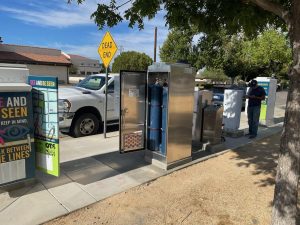
Fuel cells are an ideal fit for ITS applications, providing scalable, clean, and reliable energy for critical infrastructure, including traffic lights, communication hubs, and roadside monitoring systems. Their low maintenance requirements and long operational life make them a practical choice for 24/7 ITS functionality. They also reduce the footprint of power enclosures and can operate silently, making them compatible with space-constrained ITS installations.
Diesel Generators: A Backup from the Past
Though historically dependable, diesel generators are increasingly out of place in modern ITS frameworks. Their noise, emissions, and maintenance needs pose challenges to the development of smarter, greener urban environments.
Environmental Impact and Lifecycle Considerations
Fuel Cells: Minimal Impact
The lifecycle of hydrogen fuel cells results in significantly lower environmental impact compared to diesel generators. As green hydrogen production methods advance, the carbon footprint associated with fuel cells continues to decrease, making them an increasingly viable solution for sustainable energy. When combined with electrolysis powered by wind or solar, fuel cells support a fully renewable and decentralized power model.
Diesel Generators: High Emissions Throughout
From manufacturing to operation, diesel generators contribute heavily to greenhouse gas emissions. Their reliance on non-renewable resources and the environmental risks of diesel fuel storage make them unsuitable for long-term sustainable energy strategies.
FAQs
What does HyMax do to assist municipalities adopting hydrogen fuel cells?
HyMax offers a full range of services that include more than just installing equipment. The company offers site evaluation and assessments, engineering design, installation, training of operators and after-sale services. This will ensure that municipalities and utilities can readily switch to hydrogen backup systems and continue with long-term reliability.
Is it possible to incorporate a hydrogen fuel cell into existing urban infrastructure?
Yes. HyMax builds fuel cell systems that are part of the existing energy systems of the cities. They may be in street cabins, data facilities, transit facilities or even micro grid facilities. They are modular, which gives them flexibility in new installations and retrofitting existing diesel generator sites.
What makes hydrogen fuel cells safer than diesel generators in cities?
Hydrogen fuel cells do not produce exhaust of harmful gases, vibrate, or make too much noise, as is the case with diesel units. They also eliminate on-site liquid fuel storage and this reduces fire risk and environmental risk. This makes them particularly safe in congested townships, educational institutions, and hospitals.
What is the duration of the hydrogen fuel cells in case of an outage?
Combined with a sustainable supply of hydrogen, fuel cells should have virtually unlimited runtime. This makes them better than diesel generators which are limited by the size of tanks and refueling logistics. This is also a major consideration in case of extended grid outages.
Are fuel-cell systems based on hydrogen fuel-cells considered a proven technology or still in an experimental phase?
Hydrogen fuel cells were used decades ago and are used in critical infrastructure, transportation, and telecom applications. Another signifier that HyMax is far beyond the experimental phase is its successful history of real-world installations that help to support mission-critical operations.
Fuel Cells Lead the Way Toward a Sustainable Future
Hydrogen fuel cells are transforming emergency power solutions by providing reliable, clean energy that integrates seamlessly with important ITS and other critical infrastructure. Their advantages over diesel generators—reduced emissions, enhanced safety, and lower maintenance—align with the priorities of a connected, sustainable world.
To learn how hydrogen fuel cells can power your ITS and infrastructure projects, visit our website or contact us today. Together, we can create a cleaner, more resilient future.