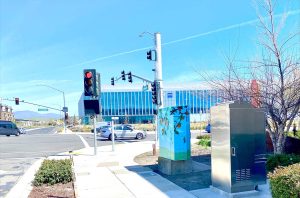
A powered intersection continues to operate when utility power fails. Instead of going dark, it switches to backup power, keeps the traffic signals running, and helps drivers, pedestrians, and emergency crews move through the area more safely.
Picture a stormy night when a section of the grid suddenly fails. When the power goes out, an intersection can become confusing very quickly. Streetlights go dark, traffic signals may stop working, and drivers may not know who should go first.
Traffic slows down, people hesitate, pedestrians lose clear signals for when to cross, and emergency crews may have a harder time moving through safely.
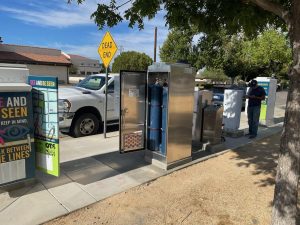
With HyMax hydrogen backup systems, the intersection stays running, so the situation is far more controlled. The intersection can keep running without that same level of disruption. The traffic cabinet continues operating, the lights stay on, and the system keeps doing its job. That steady performance is what makes backup power so important in transportation infrastructure.
How does a powered intersection stay reliable when the grid fails?
When grid power goes down, the system quickly switches to backup power so the traffic controller, signals, and cabinet systems can keep running with little disruption.
The goal is simple: keep the intersection operational when the main power is unavailable.
When utility power drops, a well-designed backup system takes over and supports the equipment inside the traffic cabinet. That includes the signal controller, monitoring equipment, and communications hardware. This matters most during emergencies when intersections can become critical points for evacuation and emergency response.
This is where HyMax hydrogen backup systems stand out. We design hydrogen-based backup systems for traffic intersections and ITS cabinets, built for extended runtime. Instead of giving agencies only a short bridge through an outage, the system is designed to keep operating for much longer periods, depending on the cabinet load.
Why is safety so important during a power outage at an intersection?
Safety is the biggest priority because a dark intersection can become confusing fast. Backup power helps keep the signals and traffic controls working, so drivers and pedestrians know when to stop, go, or cross.
Clear signals also help reduce hesitation, wrong turns, and unsafe crossing decisions. For traffic engineers and public agencies, backup power is primarily a safety system rather than a power system.
A powered intersection also helps protect the equipment inside the cabinet. The control logic stays active, the monitoring systems remain in place, and operators can maintain better visibility into what the intersection is doing. That makes outage response more organized and far less reactive.
How does a hydrogen fuel cell provide backup power?
A hydrogen fuel cell creates electricity through a chemical reaction, not by burning fuel. Hydrogen goes into the system, electricity is produced, and the main byproducts are water and heat.
For traffic applications, PEM fuel cells are often a good fit. They respond quickly, work well as backup power, and can fit into compact systems where reliability is important. That makes them a strong option for agencies that need cleaner backup power for critical traffic systems without using diesel generators.
For municipalities, hydrogen can help make infrastructure more resilient while reducing emissions whereitm is used. Instead of running a combustion-based generator near the roadway, the backup system can provide power more cleanly and quietly.
What technical details matter most during a real outage?
The most important details are runtime, load, temperature range, system controls, and safety features. Those are the factors that determine whether the backup system performs well in an actual field event.
A traffic cabinet does not consume the same amount of power at all times. Load changes based on signal operation, communications equipment, and connected devices. That means the runtime depends on the cabinet’s power draw and the system configuration. Temperature also matters, especially for roadside equipment that has to work through heat, cold, and severe weather.
HyMax emphasizes these real-world performance issues in its backup designs. That includes fuel storage, control systems, monitoring, and equipment integration inside the cabinet. These details are especially relevant not only for traffic infrastructure but also for connected roadside equipment and even industrial temperature sensors that may need continuous power for monitoring and control.
Why does proven field experience matter with backup power systems?
Proven experience matters because outages test real performance. What matters most is whether the system can work safely and reliably when the road network is under pressure.
A backup system may look good on paper, but transportation agencies need more than specs. They need equipment that has been used, maintained, and trusted in real-world situations.
That includes cabinet integration, reliable power delivery, and safe operation across changing weather and load conditions.
That is why reputation matters in this space; a company with a record of successful real-world applications instills greater confidence in public agencies and infrastructure operators. For critical intersections, dependability is not a bonus feature. It is the entire point.
What does a powered intersection really mean during a grid outage?
It means the intersection stays lit, controlled, and usable even when the nearby grid is down. That helps keep people safer, supports emergency response, and keeps important transportation infrastructure working when it is needed most.
A powered intersection is more than a convenience. It is part of a larger plan to make communities and roadways more resilient.
With HyMax hydrogen backup systems, a city or agency can provide long-duration backup power using a clean-energy approach built around hydrogen fuel cell and PEM membrane fuel cell technology. If you are planning backup power for traffic systems, roadside equipment, or industrial temperature sensors, HyMax can help evaluate load requirements, runtime goals, and deployment requirements to achieve a more resilient system.
FAQs
How long can a hydrogen backup system keep an intersection running?
Runtime depends on several factors, including the traffic cabinet's power requirements, the system's configuration, and the amount of hydrogen available.
An intersection with extra communications equipment, sensors, or connected devices may need more power than a basic traffic signal. The best way to determine runtime is to evaluate the cabinet load and the agency’s outage response goals.
What types of traffic equipment can backup power support?
Backup power can support more than the signal heads. Depending on the system design, it may also help power the traffic controller, communications hardware, monitoring equipment, and other cabinet systems. This helps agencies maintain better visibility and control during an outage.
Is hydrogen backup power a good fit for severe weather events?
Yes, hydrogen backup power can be a strong fit for outage-prone areas, especially where storms, extreme temperatures, or grid interruptions may affect traffic systems. For roadside applications, important considerations include temperature range, runtime needs, fuel storage, controls, monitoring, and cabinet integration.
Why would an agency choose hydrogen instead of a traditional generator?
Hydrogen fuel cells generate electricity through an electrochemical process rather than combustion, with water and heat as the main byproducts. For agencies looking for cleaner, quieter backup power for critical transportation infrastructure, hydrogen can be a practical alternative to combustion-based generators.